DS-BL Notes
Blog
 Field notes: the first of the month, when the whole book repriced itselfA field note on the first-of-the-month moment when a drought book reprices against the new vegetation index read, and what that waiting feels like.
 NDVI vs EVI for a drought index insurance anomaly: which one to lock inA comparison of NDVI and EVI for pricing drought index triggers, and why the index you pick needs to match your baseline history.
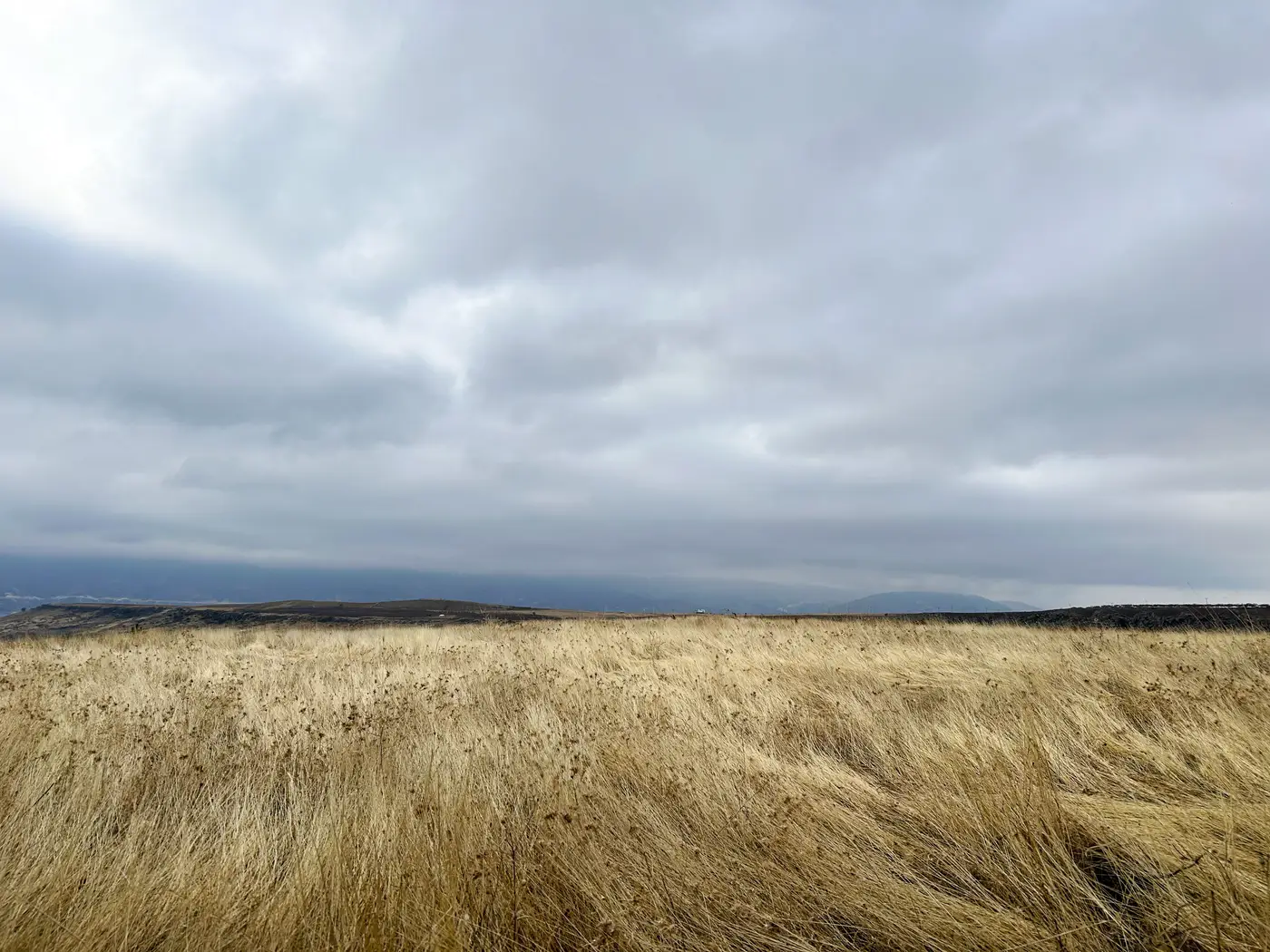 Cloud cover gaps in a monthly vegetation index anomaly: interpolate or skip?How to handle cloud-contaminated pixels when computing a monthly vegetation index anomaly, and when interpolation beats skipping the month entirely.
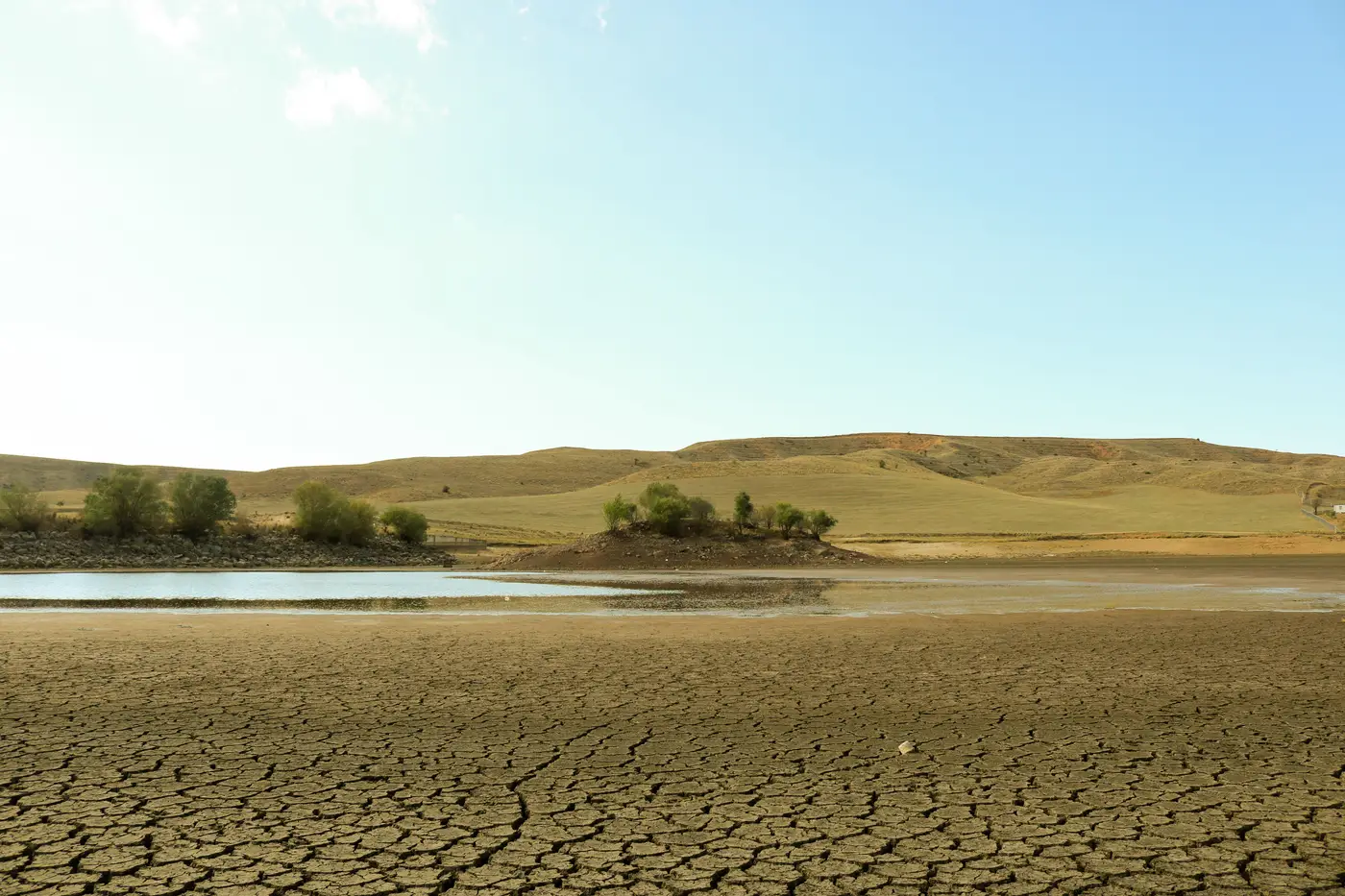 Trigger season vs. calendar year in parametric drought contractsWhy a drought contract's trigger season rarely matches January–December, and how to set the window against the crop calendar instead.
- Same dry spell, different severity calls: notes from two adjacent basinsWhy two neighboring regions under the same dry spell can land in different severity bands, and what that means for index design.
 Soil moisture anomaly vs. vegetation index anomaly for a drought triggerHow soil moisture anomaly and vegetation index anomaly differ as drought trigger inputs, and what each one tells a parametric program.
- Handling sensor transitions in a multi-decade NDVI baselineA guide to handling AVHRR-to-MODIS-to-VIIRS transitions when building a vegetation index baseline for drought trigger pricing.
- What is a tick value in a drought index insurance contract?A tick value sets the payout per unit of index movement past the trigger. Here's how it works in a linear drought index structure.
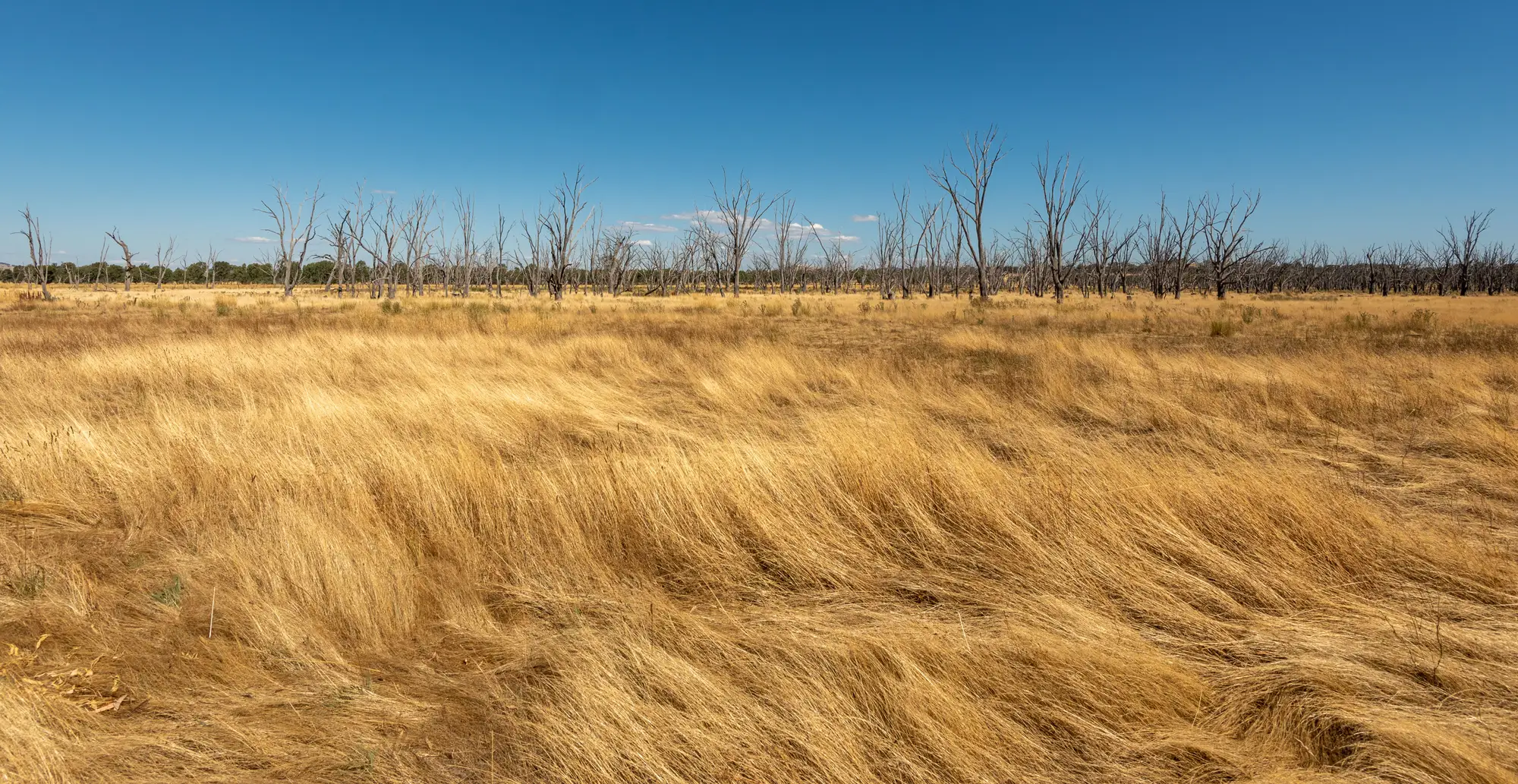 Choosing a baseline period length for a vegetation index drought triggerHow baseline window length for a vegetation index drought trigger changes where the trigger fires, and how to pick one.
- What is severity classification in a drought index insurance contract?How drought index contracts turn a raw anomaly reading into payout tiers, and why the baseline behind each severity band matters.
- How to set a strike level for a vegetation index insurance contractA working method for setting an NDVI strike level: pick the baseline, pick the anomaly metric, pick the bands, then backtest before you price.
- SPI vs NDVI for pricing a drought index insurance productA comparison of SPI and NDVI as the underlying index for drought parametric triggers, and where each one creates basis risk in pricing.
- What is an exit point in parametric insurance?What an exit point is in parametric drought insurance, how it sets the maximum payout trigger, and how to place it against a real baseline.
- What is basis risk in parametric drought insurance?Basis risk explained: why a drought index can pay out when losses didn't happen, and what cedants can do about index design and resolution.